
October 23, 2026 | Buying
Is 2026-2027 a Good Time to Buy a Home in Hamilton?
Buying a home in Hamilton in late 2026 and into 2027 can make sense when the purchase fits your finances, housing needs and expected time in the property. Luke O’Reilly, Founder & Broker of The O’Reilly Group at Royal LePage State Realty sees opportunities for prepared buyers in the softer conditions he describes, but a lower asking price alone is not a sufficient reason to buy.
‘If you are well qualified, have a good amount down and can comfortably support payments, I think there are some really good opportunities out there to be had,’ he says.
That qualification is central to his advice. A favourable negotiation becomes a useful opportunity when the buyer can comfortably own the home afterwards.
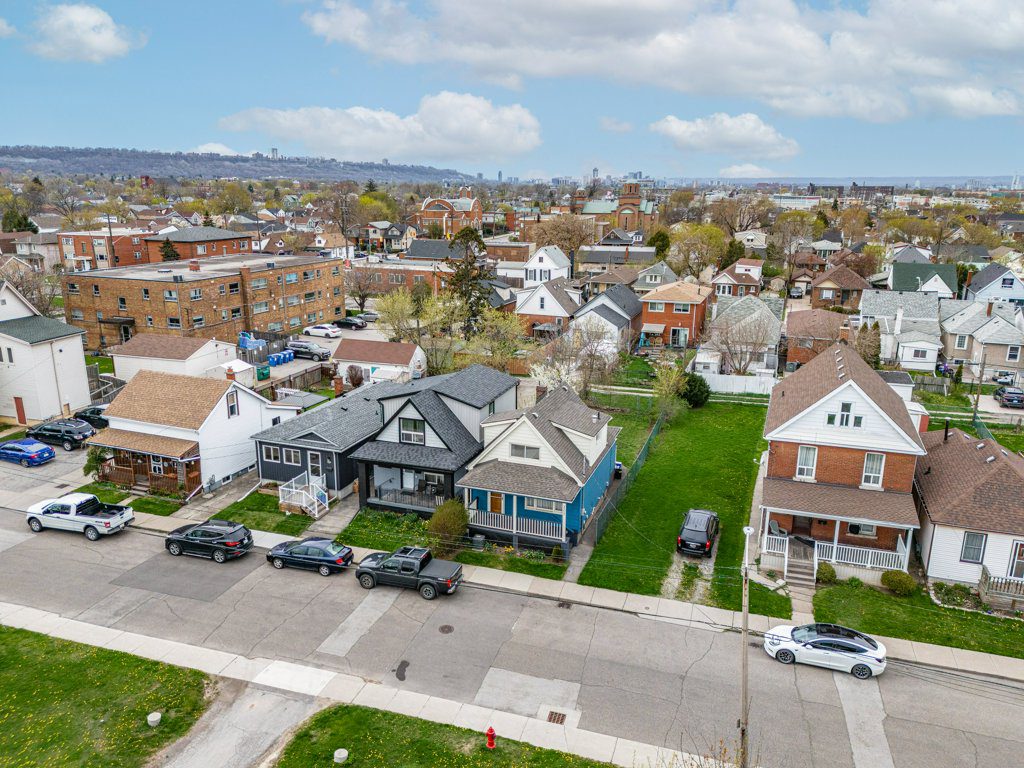
A recent purchase in Hamilton’s Durand neighbourhood illustrates the distinction.
What an $800,000 price difference actually tells a buyer
According to O’Reilly, a renovated luxury home in Durand was first listed in August 2025 at approximately $2.6 million. Following an extended marketing period and several reductions, his buyers purchased it for $1.8 million in September 2026.
The difference was approximately $800,000.
That is a difference between the original asking price and the eventual purchase price. It does not establish an $800,000 saving against market value.
An asking price reflects what a seller is seeking. Assessing value requires a separate examination of comparable sales, the property’s condition and the alternatives available to buyers.
The more instructive detail is how O’Reilly approached the listing.
‘I was watching the house over a long period of time,’ he recalls.
By the time his clients were ready to make an offer, he had followed the property’s exposure to the market and its changing price. The buyers had also sold their previous home, giving them greater clarity about their sale proceeds and the timing of their move.
O’Reilly believed the home’s history supported a serious offer below the then-current asking price. The sellers accepted.
In his professional judgment, his clients purchased an extensively renovated home at an attractive price. The lesson is in the research and preparation behind the offer, rather than the size of the reduction from an earlier asking price.
Where can buyers find negotiating opportunities?
A listing’s full history can reveal more than its latest asking price.
When O’Reilly evaluates a potential purchase, he considers the original listing date, cumulative time on market, previous price adjustments and transaction history. He also seeks to understand the seller’s timing and priorities through conversations with the listing agent.
These details help frame a negotiation. They do not prove that a seller will accept a particular amount.
A property may have been cancelled and relisted, making its latest appearance seem more recent than its overall marketing history. Several reductions may show that expectations have changed. A long listing period may also raise questions about condition, pricing or a feature that buyers have found difficult to accept.
The buyer’s task is to investigate those questions before deciding what to offer.
O’Reilly also watches activity within his own business.
‘I can feel the momentum shift based on the number of showings that are being booked on our listings week to week,’ he explains.
Showing activity gives him a practical indication of changing interest in the properties his team represents. It is one input alongside comparable sales and competing listings, rather than a measure of every segment of Hamilton‘s market.
For a buyer, the useful question is specific: what evidence supports this offer on this home?
Why a softer market does not mean every home will wait
Patience can help buyers study their options. It can also become a reason to postpone a decision after the relevant questions have been answered.
‘Sometimes buyers hesitate because they feel like they have all the time in the world,’ O’Reilly says. ‘But I have seen many times where a great product that’s priced well can still get snatched up fairly quickly, even with the market conditions we’re currently experiencing on a macro-level.’
A home can attract competition even when other listings are taking longer to sell.
The Durand purchase therefore should not become a template for every negotiation. A property with a long marketing history presents a different situation from a newly listed home whose price and features compare favourably with recent sales.
Nor does a luxury transaction establish what a first-time buyer should expect in another price range or neighbourhood.
Preparation helps buyers respond to both situations. They can be patient where the evidence supports negotiation and decisive where a suitable home is convincingly priced, while preserving the due diligence their purchase requires.
What should first-time buyers do before looking for a deal?
Begin with financing and a complete ownership budget.
A mortgage pre-approval helps establish a working borrowing range, but it does not guarantee final approval. The Financial Consumer Agency of Canada notes that the approved amount also depends on factors including the property’s value and the down payment.
The maximum a lender may offer is also different from the amount a household feels comfortable carrying.
Before making an offer, buyers should account for:
- Cash needed to complete the purchase: the down payment, applicable taxes, legal expenses, inspections, adjustments and moving costs.
- Regular ownership costs: mortgage payments, property taxes, insurance, utilities and any condominium fees.
- Maintenance and repairs: work needed soon after possession and an allowance for unexpected expenses.
- Financial flexibility: room for other priorities and changes in household circumstances.
FCAC’s homebuying guidance identifies upfront costs beyond the mortgage, including legal fees, inspections, property tax adjustments and title insurance.
A buyer who understands those commitments can evaluate a price reduction more clearly. The question becomes whether the home is affordable to own, rather than whether it looks inexpensive beside its original list price.
For more helpful insights, take a look at these related reads:
- Ultimate Guide for First-Time Home Buyers in Hamilton, Ancaster, Dundas & Surrounding Areas
- The Real Cost of Buying a Home in Hamilton (and Why It’s Still More Affordable Than Toronto)
- Upsizing from Your First Home to a Family Home
Does a softer market help homeowners who want to upsize?
It can, but an upsizer needs to assess the sale and purchase together.
A lower purchase price on a larger home may be helpful. The homeowner must also consider what their current property is likely to sell for, transaction costs and the borrowing required to complete the move.
In the Durand example, the buyers had already sold. That removed uncertainty about their sale price before they negotiated the next purchase.
Selling first has its own trade-offs, including the need to coordinate possession dates or arrange temporary accommodation. Buying first can create different financing and timing pressures.
The appropriate sequence depends on the household’s resources and tolerance for those risks. A softer market, by itself, does not determine which approach is right.
Should Hamilton buyers wait until 2027?
Waiting may make sense when it improves a buyer’s financial position or clarifies their housing needs. It is harder to justify a purchase solely on the assumption that prices or mortgage rates will move favourably.
O’Reilly‘s October 2026 perspective is that economic and political uncertainty may continue to affect confidence into 2027. He also sees occasional opportunities late in the year when individual sellers have a reason to complete a sale.
Neither observation predicts a particular price or interest rate.
For buyers deciding whether to proceed, a more useful comparison is between their actual options.
| Buying may make sense when… | Waiting may make sense when… |
| Payments fit comfortably within the household budget. | The purchase would leave little financial breathing room. |
| A suitable property’s price is supported by comparable sales. | The appeal depends mainly on a large advertised reduction. |
| Closing costs and a repair reserve are covered. | More savings are needed to complete the purchase comfortably. |
| The home suits foreseeable needs. | Employment, location or household plans remain uncertain. |
| The decision works without a quick resale or price increase. | The plan depends on near-term appreciation or refinancing. |
O’Reilly puts his approach simply:
‘There is no perfect moment. The perfect moment is YOUR moment.’
That means being ready to recognize a suitable purchase, rather than feeling compelled to buy because conditions appear favourable.
For Hamilton buyers in 2026, the strongest position is to know the budget, understand the property’s value and have a clear plan for ownership. From there, a softer market may offer room to negotiate. Whether to use that opportunity depends on the home and the household.
If you are considering buying in Hamilton, The O’Reilly Group can help you compare properties, examine listing histories and assess how a potential purchase fits your next move. The O’Reilly Group is a member of Royal LePage Canada’s ‘National Chairman’s Club’, recognizing The O’Reilly Group as one of Canada’s top performing real estate teams.
Frequently asked questions
Is 2026 a good time for a first-time buyer to purchase in Hamilton?
It can be when financing, closing costs and ongoing ownership expenses fit comfortably within the buyer’s budget. O’Reilly sees opportunities for prepared buyers, but the decision also depends on the property’s value and suitability. A lower price does not compensate for payments that leave a household financially stretched.
Does a large price reduction mean a home is a bargain?
No. A reduction shows that the asking price has changed. It does not establish that the current price is below market value. Buyers should examine comparable sales, condition, listing history and competing properties. In the Durand example, the approximately $800,000 difference was measured against the original asking price.
How much below asking should a buyer offer?
There is no reliable percentage that applies to every Hamilton listing. An offer should reflect evidence of value, property condition, competing interest and the terms being proposed. A home listed above comparable sales presents a different negotiation from one priced competitively at launch.
Does mortgage pre-approval guarantee financing?
No. FCAC explains that pre-approval does not guarantee a mortgage. Final approval also depends on the property and the lender’s requirements. Buyers should confirm the financing steps for their proposed purchase with their lender or mortgage broker before deciding which offer terms they can accept.
Is it better to buy now or wait until 2027?
The stronger reason to wait is an identifiable improvement in readiness, such as building savings or clarifying employment plans. Future prices, rates and available properties remain uncertain. Buying now should make sense using the costs and circumstances the buyer can assess, without requiring a favourable market forecast.

We're On Your Side
Whether you’re selling or buying the O’Reilly Group is dedicated to elevating your real estate experience.