
October 15, 2026 | Community: Hamilton
Selling a Family Home in Westdale, Hamilton: Why Understanding the Neighbourhood Matters
Westdale is often associated with McMaster University and student housing. But behind that familiar reputation is a neighbourhood of remarkable architecture, cherished family homes and streets that have attracted homeowners for generations. Real estate Broker Luke O’Reilly explains why selling a longtime family home in Westdale requires a more thoughtful approach to pricing, preparation and marketing.
For homeowners who have spent decades living in Westdale, selling their property can be about considerably more than a real estate transaction.
It’s the neighbourhood where their children grew up. Where friendships developed over backyard fences. Where familiar streets, local shops and daily routines became part of family life.
And for many, it’s a home that has been carefully maintained and improved over the years.
Yet when the time comes to sell, those homeowners face a challenge that isn’t always obvious: not every buyer understands Westdale in the same way.
Some immediately picture McMaster University, student rentals and busy streets filled with university students.
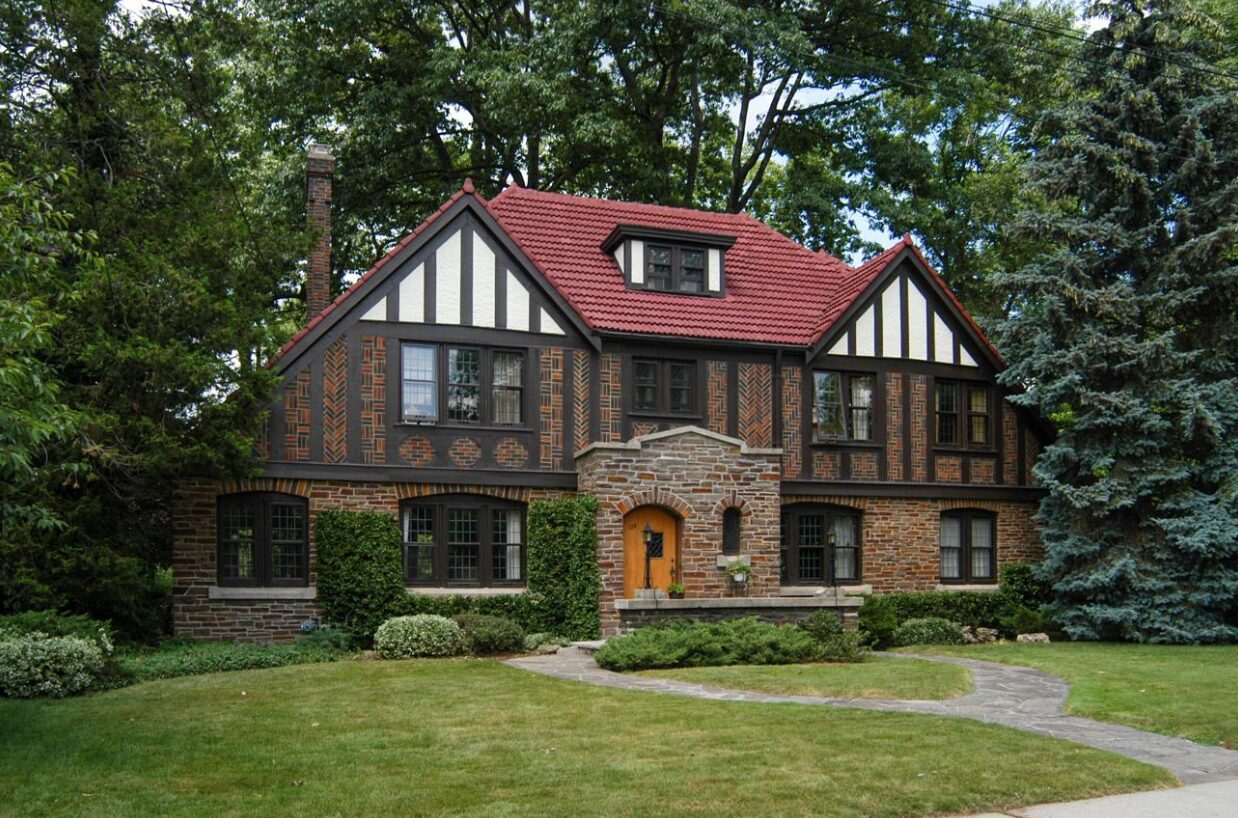
Others recognize something quite different – a historic Hamilton neighbourhood with exceptional architecture, mature tree-lined streets, established family homes and a walkable village atmosphere.
According to Luke O’Reilly, Founder and Broker of The O’Reilly Group at Royal LePage State Realty, understanding that distinction is essential when selling a family home in Westdale.
Because the way a property is positioned can influence not only who comes to see it, but how those buyers perceive its value.
Westdale Is More Than a University Neighbourhood
Ask someone unfamiliar with Westdale what comes to mind, and McMaster University is likely to be one of the first answers.
It’s an understandable association. The university has a substantial presence in the surrounding area, and student housing is an established part of the local real estate landscape.
But O’Reilly believes that reputation can obscure some of the neighbourhood’s most desirable residential characteristics.
“Sometimes when people hear Westdale, they automatically think student rentals, McMaster University and house parties,” he explains.
“They might picture landlord-owned homes that perhaps haven’t been maintained as well as owner-occupied properties.”
It’s a perception he believes deserves to be challenged.
“What I would say is that there are some incredible streets and locations within Westdale where there are many executive homes that have been cherished through the decades and are maintained extremely well.”
For homeowners preparing to sell, that distinction matters.
Westdale isn’t a single, uniform housing market. The character of a particular street, the surrounding properties, the home’s architecture and its proximity to neighbourhood amenities can all influence buyer appeal.
An investment property marketed primarily for rental income will naturally attract a different audience from a beautifully maintained family residence on a quiet, established street.
Treating those properties as interchangeable can lead to an incomplete understanding of their market value.
And for sellers, that can be an expensive mistake.
What Makes Westdale So Appealing to Family Homebuyers?
One of Westdale‘s greatest strengths is the combination of residential character and everyday convenience.
The neighbourhood offers a distinctive collection of older homes, mature landscaping and streetscapes that reflect its history.
For buyers who appreciate traditional architecture, these qualities can be difficult to replicate in newer subdivisions.
But the appeal extends beyond the houses themselves.
Westdale Village provides a walkable commercial district with shops, restaurants, cafés and other neighbourhood amenities. McMaster University adds another dimension to the community, contributing to its cultural and institutional identity.
O’Reilly believes these characteristics create a compelling lifestyle proposition for the right buyer.
Westdale, he says, “offers a very high quality and standard of living” for people interested in “living in an extremely beautiful surrounding, in stunning architecture, with the walkability of a charming village close by.”
He also sees value in the energy that comes from having a major university nearby.
Rather than viewing McMaster’s presence exclusively as a drawback, he believes buyers should consider the broader lifestyle advantages of living in an established university community.
That doesn’t mean every street will appeal to every buyer.
Proximity to student housing, traffic patterns, parking conditions and the immediate surroundings can all affect how a property is perceived.
But those considerations reinforce the importance of understanding Westdale at a street-by-street level.
For a seller, the objective should be to communicate the particular strengths of their location rather than rely on broad neighbourhood descriptions.
Why Pricing a Longtime Family Home Can Be Complicated
One of the most difficult aspects of selling a longtime family residence is separating its emotional significance from its market value.
A homeowner may have spent 30 or 40 years maintaining a property, completing renovations and making improvements that reflect their family’s needs.
Those investments can contribute meaningfully to the home’s appeal.
But buyers won’t necessarily assign the same value to every improvement.
A kitchen renovated 15 years ago may still function beautifully and reflect considerable craftsmanship. Yet a prospective buyer might see it as something they eventually want to replace.
An addition that transformed how a family used its home may be attractive to one buyer but less important to another.
These differences are especially relevant in established neighbourhoods such as Westdale, where homes can vary significantly in size, layout, condition and architectural style.
A pricing strategy needs to account for those differences.
It also needs to recognize that not every nearby sale is an appropriate comparable.
The Difference Between an Investment Property and an Owner-Occupied Home
In Westdale, property valuation can become particularly challenging when rental properties and owner-occupied family residences are considered together.
A house purchased primarily as a student rental may be evaluated according to its income potential, configuration and investment characteristics.
A family purchasing a principal residence may place considerably more emphasis on architectural details, room proportions, quality of finishes, outdoor space and the surrounding streetscape.
Those differences can influence what buyers are willing to pay.
For O’Reilly, this is one reason why understanding the property and its likely audience matters as much as understanding the broader neighbourhood.
A well-maintained executive home shouldn’t automatically be compared with every property that happens to share its postal code.
The most relevant comparable sales are those that help explain how buyers value similar characteristics.
When directly comparable transactions are limited, the analysis may also benefit from examining suitable properties in other established Hamilton neighbourhoods, while carefully accounting for differences in location and buyer preferences.
The objective isn’t to justify a predetermined asking price.
It’s to develop a defensible opinion of value based on the evidence available.
Preparing an Older Westdale Home for Sale
For homeowners who have lived in the same property for decades, preparing to sell can feel overwhelming.
Over time, even a carefully maintained home accumulates personal belongings, furnishings and design choices that reflect the people living there.
Those details help make a house a home.
But when selling, the objective changes.
Prospective buyers need to understand the property’s spaces, condition and possibilities for their own lives.
That doesn’t necessarily require a complete renovation.
In fact, extensive renovations immediately before listing can introduce financial risk, particularly when the seller doesn’t know whether the improvements will produce a corresponding increase in resale value.
A more practical approach is to distinguish between improvements that address genuine concerns and those that are primarily cosmetic.
Repairing obvious defects, addressing deferred maintenance, improving lighting and presenting rooms clearly may be more useful than undertaking expensive projects based on assumptions about buyer preferences.
For a character home, preserving the features that make it distinctive can be just as important.
Original trim, hardwood flooring, traditional fireplaces and architectural details may contribute significantly to the property’s appeal.
Replacing those elements simply to create a more contemporary appearance could diminish the very character that attracts certain buyers.
The right preparation strategy depends on the property’s condition, price range, likely buyer and competitive alternatives.
Selling the Architecture, Not Just the Square Footage
Traditional real estate marketing often reduces a property to a collection of specifications.
Bedrooms. Bathrooms. Square footage. Lot dimensions.
Those facts are essential, but they don’t fully explain why someone might fall in love with a home in Westdale.
A buyer may be drawn to the proportions of an older living room, the natural light through original windows or the feeling of walking along a mature residential street toward Westdale Village.
These are characteristics that require thoughtful presentation.
For a distinctive family residence, marketing should help prospective buyers understand what makes the home different from other properties they could purchase at a similar price.
Professional photography can communicate architectural details and room proportions.
Video can provide a stronger sense of the property’s flow, setting and relationship to the surrounding neighbourhood.
And written descriptions can connect those physical characteristics with the lifestyle they support.
But effective storytelling should remain grounded in the property itself.
It shouldn’t exaggerate its condition, invent historical significance or promise a lifestyle that the location cannot reasonably deliver.
The goal is to help buyers appreciate what is genuinely special about the home.
For sellers of longtime family residences, that can be especially meaningful.
The home they’ve known intimately for decades is being introduced to people who may spend only a few minutes deciding whether to arrange a showing.
Good marketing helps bridge that gap.
The Emotional Challenge of Leaving a Longtime Home
For many Westdale homeowners, the decision to sell follows a significant life transition.
Children may have moved away. Maintaining a larger property may have become more demanding. A move to a smaller home, condominium or retirement community may offer a more practical lifestyle.
Whatever the circumstances, the decision often carries emotional weight.
A family home can represent decades of memories and personal investment.
That attachment is understandable, but it can complicate conversations about preparation, pricing and buyer feedback.
A prospective purchaser may view a beloved feature as something they’d like to change.
An inspection may identify maintenance concerns that the owner hadn’t considered significant.
And an offer may fall below what the seller believes the home deserves.
These moments require perspective.
A buyer‘s assessment of the property isn’t a judgment on the family’s experience of living there.
It’s part of a financial decision shaped by that buyer‘s preferences, budget and alternatives.
For sellers, recognizing the distinction can make the process less personal and the decisions more manageable.
It also makes the relationship with their Realtor especially important.
An effective advisor should understand the emotional significance of the move while providing objective guidance about market conditions and buyer expectations.
What Happens When a Westdale Home Doesn’t Attract Buyers?
Even a desirable property in an established neighbourhood can struggle to generate interest when its asking price, presentation or marketing doesn’t align with buyer expectations.
For O’Reilly, a lack of activity should prompt a careful review of the available evidence.
“If you’re not getting showings booked and there have been very few inquiries on your home, it may be indicative of a soft market and broader economic trends impacting the sale,” he explains.
But he believes sellers also need to consider whether their asking price is limiting demand.
“If your home is being marketed well, you’ve prepared it well, it shows beautifully and it’s not selling, it can often be tied to your asking price.”
Although this principle applies across residential real estate, it has particular relevance for distinctive homes where pricing is more subjective.
A seller may feel that the property’s character, condition and history justify a premium.
The challenge is determining whether enough qualified buyers share that assessment.
If the response is limited, the next step should be informed by the seller‘s objectives.
Someone with flexibility may choose to wait.
Someone facing a firm moving deadline may need to reconsider their strategy sooner.
Neither decision should be automatic.
The important thing is to respond to evidence rather than assume that more time on the market will necessarily produce a better result.
The Buyer Who Appreciates Westdale May Be Looking for Something Specific
One of the most useful ways to approach the sale of a family home is to consider why someone would choose that particular property over another home in Hamilton.
For a well-maintained Westdale residence, the answer may have relatively little to do with investment potential.
The buyer might value historic architecture, a mature lot, established neighbours or the ability to walk to shops and restaurants.
They may be drawn to the neighbourhood’s proximity to McMaster University for professional or lifestyle reasons.
Or they may simply want the character of an older home without sacrificing access to urban amenities.
These motivations aren’t universal.
But understanding them can help shape how a property is presented and which characteristics deserve emphasis.
O’Reilly‘s observation about Westdale‘s reputation is important here.
A neighbourhood commonly associated with student housing may offer precisely the residential qualities that a particular group of buyers is seeking.
The marketing challenge is to communicate those qualities clearly.
A Thoughtful Sale Begins with Understanding What Makes the Home Different
Selling a longtime family home in Westdale requires more than selecting an asking price and arranging photographs.
It requires an understanding of the property’s architecture, condition, immediate surroundings and likely buyer audience.
It also requires recognizing the personal significance of the decision.
For homeowners who have spent decades in the neighbourhood, their property’s value is shaped by years of experience that no comparable-sales report can fully capture.
But achieving a successful sale means translating the home’s distinctive qualities into a proposition that prospective buyers can understand and evaluate.
That begins with an honest assessment of the market.
It continues through thoughtful preparation, accurate pricing and marketing that reflects the property’s real strengths.
And it depends on the willingness to make informed decisions as buyer feedback emerges.
Westdale is far more than a university neighbourhood.
For those who know its residential streets, its architecture and its village atmosphere, it offers a combination of qualities that can be difficult to find elsewhere.
As O’Reilly puts it, buyers interested in beautiful surroundings, distinctive homes and a walkable community should seriously consider what Westdale has to offer.
For sellers, the opportunity is to ensure that those buyers understand exactly why their home deserves a closer look.
Luke O’Reilly is the Founder & Broker of The O’Reilly Group at Royal LePage State Realty. With more than 16 years of residential real estate experience, he helps buyers and sellers throughout Hamilton, Westdale, Ancaster, Dundas, Burlington and surrounding communities. Contact Luke O’Reilly today to discuss positioning your home for sale.
Frequently Asked Questions About Selling a Home in Westdale
Is Westdale, Hamilton, primarily a student rental neighbourhood?
Westdale contains both student rental properties and traditional owner-occupied homes. Some established streets feature substantial character residences that have been maintained by long-term owners. Buyers should evaluate individual streets and properties rather than assume the entire neighbourhood has the same housing characteristics.
How do you determine the value of a character home in Westdale?
Valuation begins with recent comparable sales in Westdale, considering size, architecture, condition, lot characteristics and location. When suitable comparables are limited, sales in established communities such as Kirkendall, Durand or Dundas may provide additional context, with appropriate adjustments for differences between properties and neighbourhoods.
Should I renovate my Westdale home before selling?
Not necessarily. Some homes benefit from cosmetic improvements or maintenance, while others may be better sold in their current condition. The decision should consider renovation costs, likely buyer preferences, the property’s architectural character and the seller‘s financial circumstances and timeline.
Do original architectural features add value to Westdale homes?
Original architectural details can contribute to a home’s appeal, particularly when they’re well maintained and complement the property’s overall condition. Their influence on market value depends on buyer preferences and comparable sales. Preserving attractive original features may be more appropriate than replacing them with contemporary finishes.
Does being close to McMaster University make a Westdale home harder to sell?
Not necessarily. Proximity to McMaster University may attract buyers who value access to employment, education and amenities. Others may have concerns about traffic, parking or nearby rental activity. The property’s precise location and surrounding land uses are more informative than university proximity alone.
How should I prepare to sell a home I’ve owned for 30 or 40 years?
Begin with a property assessment and a current market evaluation. Review maintenance records, identify any necessary repairs and discuss which improvements are worthwhile. Establish a realistic timeline that accounts for sorting belongings, coordinating family decisions and planning the next move. The preparation strategy should reflect both financial goals and personal circumstances.
What makes Westdale different from Kirkendall or Durand?
All three are established Hamilton neighbourhoods with character homes, but their locations and surrounding amenities differ. Westdale is closely connected to McMaster University and Westdale Village, while Kirkendall is associated with the Locke Street area and Durand with its central Hamilton setting and historic residences. Buyers should compare specific properties and daily lifestyle needs rather than rely on neighbourhood labels.

We're On Your Side
Whether you’re selling or buying the O’Reilly Group is dedicated to elevating your real estate experience.